Product Center
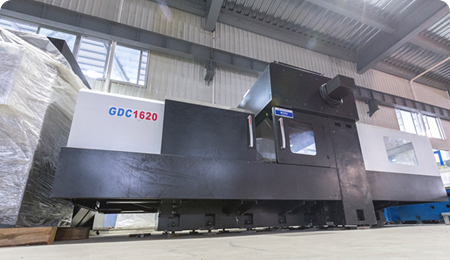
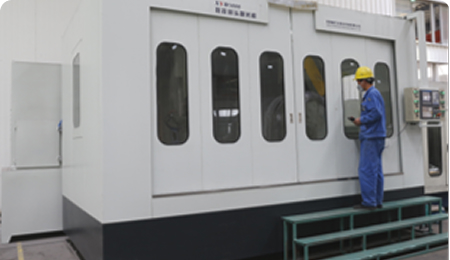
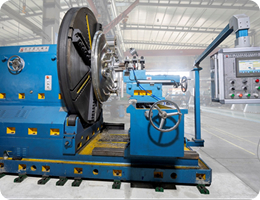
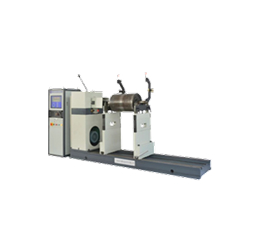
Horizontal Lathe
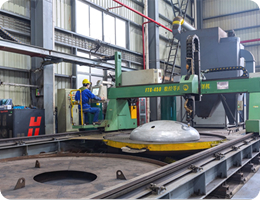
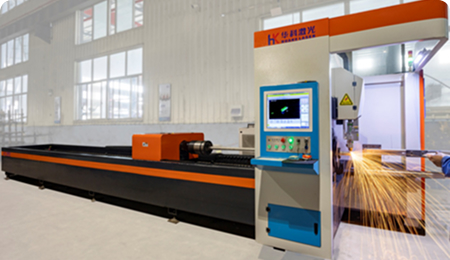
Plasma End Cap Drilling Machine
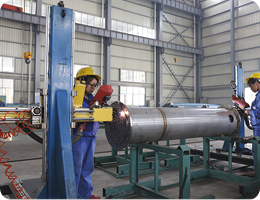
Automatic Tube-to-Tube Sheet Welding Machine
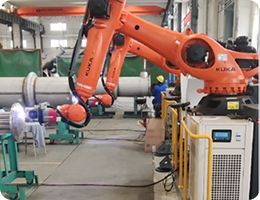
Robotic Tube Sheet Welding
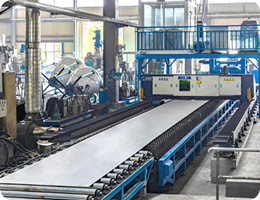
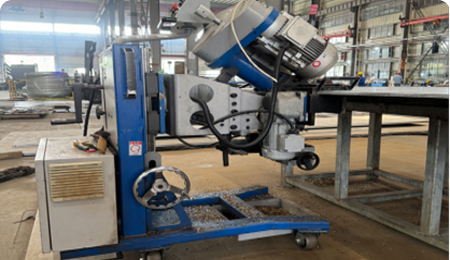
Leveling Machine (Sheet Leveler)
Welding is the most critical process in the manufacture of pressure vessels, and its quality directly affects the overall quality of the final product. Recognizing this, the company is committed to building a professional team of welding engineers and welders, while continuously enhancing its welding equipment capabilities.
We strictly comply with national and international laws and regulations governing the manufacture of pressure vessels, such as the *Law on the Safety of Special Equipment* and domestic and international standards including GB/T 150, ASME, API, and EN. Our welding processes fully conform to the technical standards and requirements for welding in pressure vessel manufacturing, ensuring that every welding operation is carried out within a strict regulatory framework.
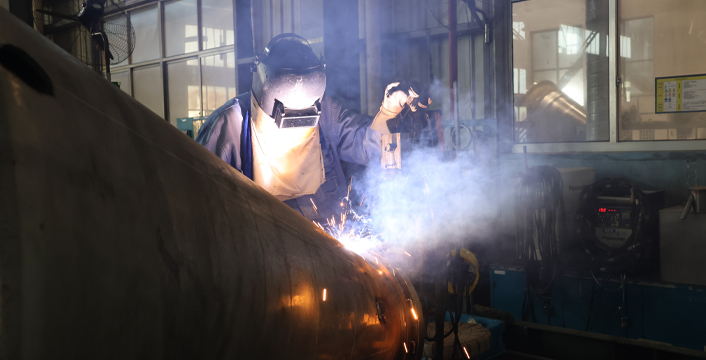
We have introduced internationally advanced welding equipment and automated production lines, including digital welding machines and robotic welding stations, to ensure precise and controllable welding processes, thereby improving efficiency while minimizing quality fluctuations caused by human error. We are proficient in various high-efficiency welding methods, such as TIG, MIG/MAG, SAW, and PAW, and combine these with auxiliary processes—including preheating, post-weld heat treatment, and non-destructive testing—to provide customized welding solutions tailored to different materials, thicknesses, and structural requirements.
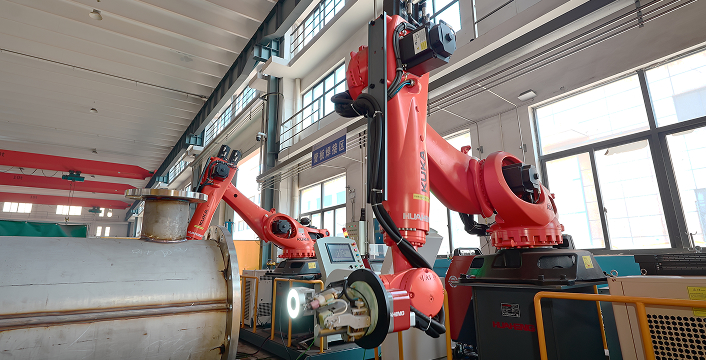
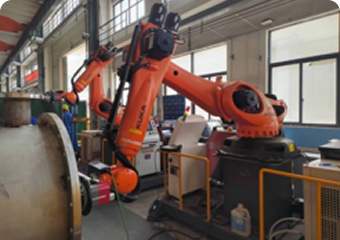
By utilizing robotic arms for welding, continuous welding and wire feeding are achieved, which significantly shortens the welding cycle and improves efficiency. This also effectively ensures the performance of welded joints in terms of sealing, strength, and corrosion resistance.
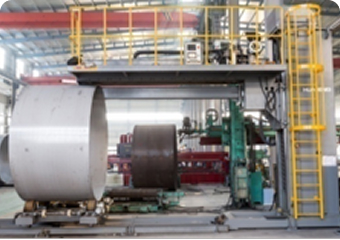
Plasma welding meets the requirements for high speed, high efficiency, and consistent quality based on the process.
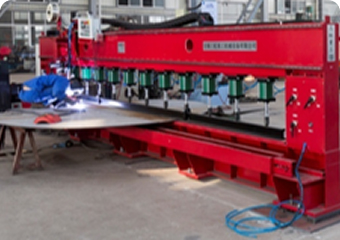
Submerged-arc welding provides excellent protection from the atmosphere through the slag; welding parameters can be kept stable through automatic adjustment; it does not require a high level of skill from the welder; the weld metal composition is consistent; and the mechanical properties are relatively good.
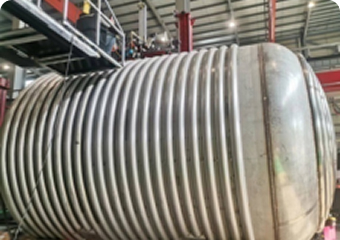
Automated welding enables automated production without the need for manual intervention, allowing for continuous welding operations and significantly increasing welding speed. While manual welding requires two layers, automated welding machines can ensure quality with just one layer.
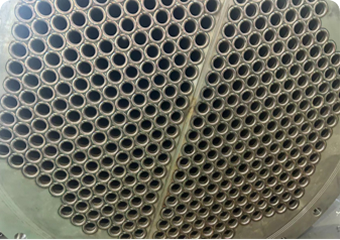
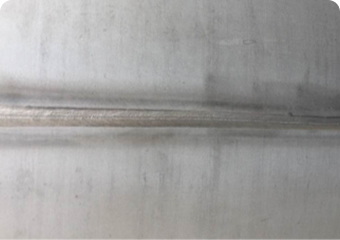
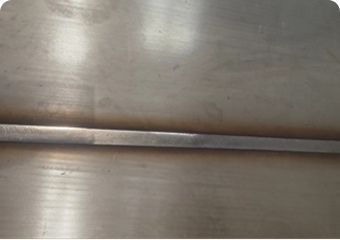
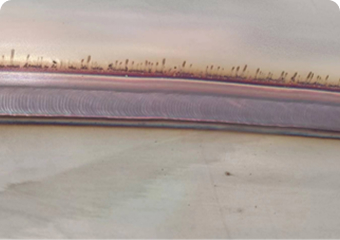
The company boasts a fully qualified and highly skilled welding team led by a chief welding engineer. The team comprises over 50 certified welders who have collectively completed more than 200 certified projects. All team members have undergone rigorous professional training, obtained relevant certifications, and passed regular recertification reviews, and possess extensive experience in pressure vessel welding. The team’s welders have repeatedly won awards in district- and provincial-level competitions, and many have been honored with titles such as “Jiaojiang Craftsman,” “Zhejiang Craftsman,” “Taizhou Skilled Worker,” “Technical Expert,” and “Taizhou Chief Technician.” Furthermore, a senior welding technician oversees the team to ensure strict quality control over the welding process.
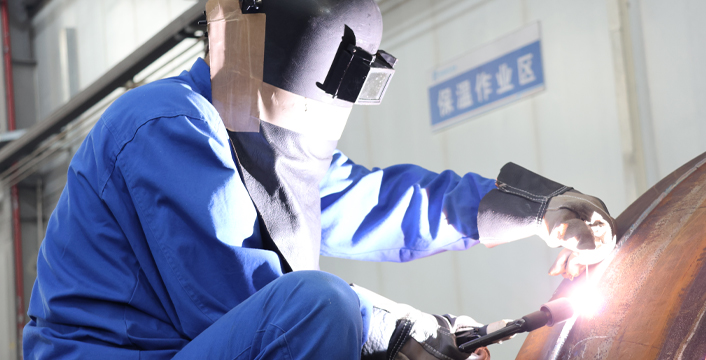
We actively collaborate with universities and research institutions to conduct research and development on new welding materials, processes, and equipment, as well as their practical applications, thereby driving the continuous advancement of welding technology.By incorporating intelligent and information-based technologies, we enable data collection, real-time monitoring, and intelligent analysis of the welding process, thereby enhancing our capabilities in welding quality prediction and fault diagnosis, and providing our customers with more efficient, intelligent, and environmentally friendly welding services.
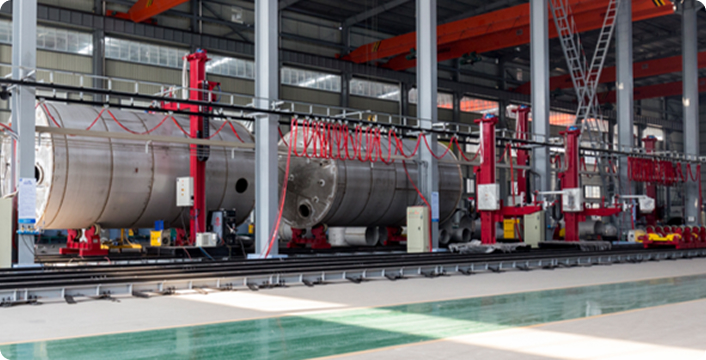
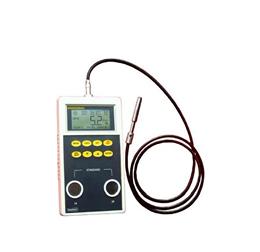
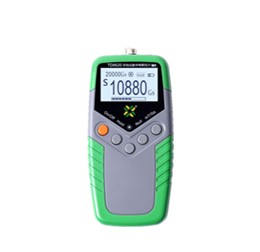
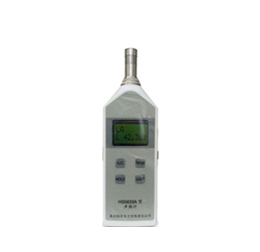
By continuously upgrading our testing and inspection equipment and staffing, we ensure that comprehensive quality control methods and measures are in place throughout the entire process—from the procurement of raw materials to product delivery—thereby achieving full lifecycle management of product quality.
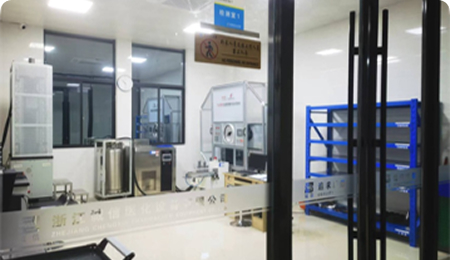
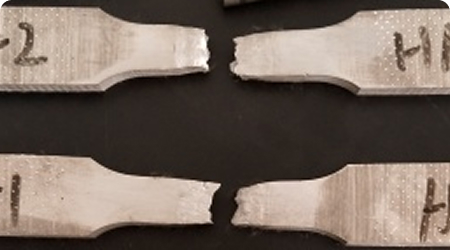
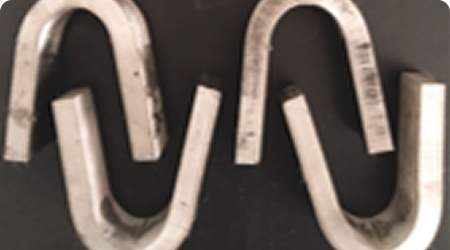
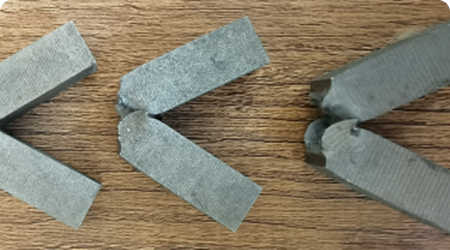
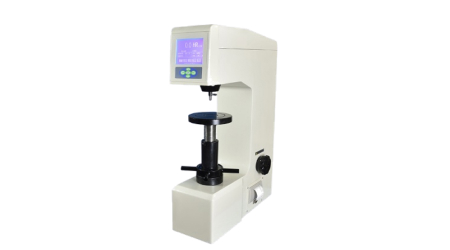
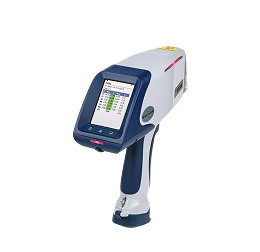
To meet the requirements for physical and chemical testing, the team is staffed with five professional technicians, each of whom holds a certification as a testing and inspection technician issued by an authoritative agency. They are capable of conducting mechanical and physical property testing as well as spectral analysis of metallic materials and their products.
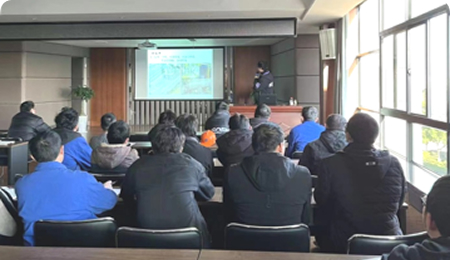
In accordance with quality management and system operation requirements, the Quality Department employs over 40 inspectors to implement quality control measures at every stage—including incoming material inspection, in-process inspection, warehouse receipt inspection, and shipment inspection—to ensure comprehensive quality control with no gaps or blind spots.
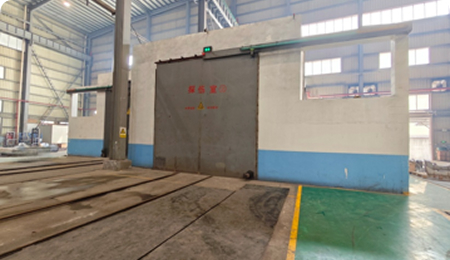
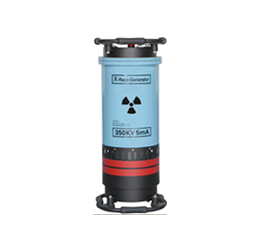
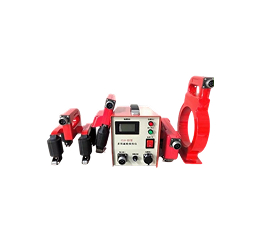
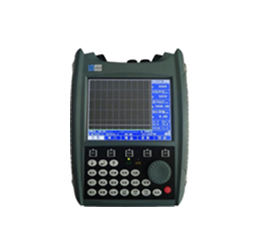
With four staff members certified to perform the four standard tests (RT, PT, MT, UT) and 10 support staff, the quality and pace of testing are well ensured.
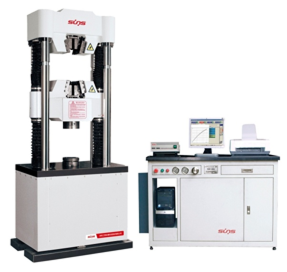
Equipment Model: WAW-600
Technical Specifications: Maximum test force 600 kN; Testing machine accuracy class 0.5
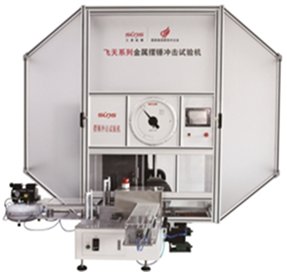
Equipment Model: PTMS4300
Technical Specifications: Maximum impact energy 300 J; Minimum test temperature -196 °C
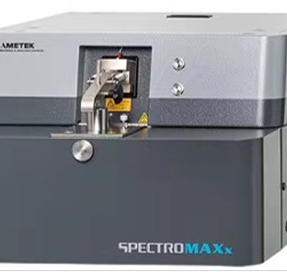
Applications: Iron-based alloys, carbon steel, low- and medium-alloy steel, stainless steel, nickel-based alloys, pure nickel, Monel, Nimonic, Inconel, titanium-based alloys, pure titanium, etc.