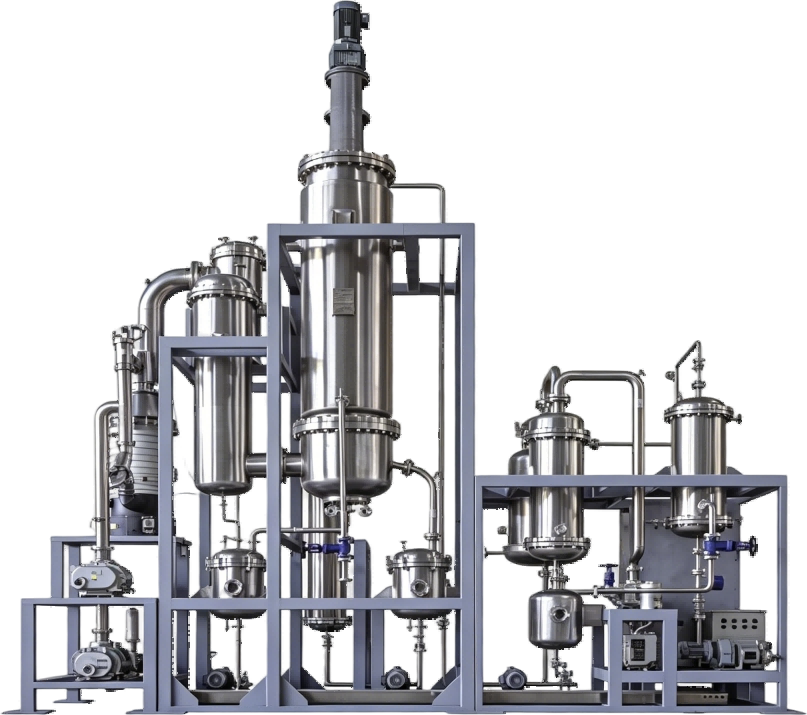
The equipment employs a short-path evaporation design, with the material exposed to heat for only about 10 seconds, enabling the separation of heat-sensitive and high-boiling-point materials while preventing oxidation and polymerization. It features a high heat transfer coefficient, short residence time, high operating vacuum, and great operational flexibility.

Ultra-High Temperature Difference Separation

Ultimate Separation in High Vacuum

Bubble-Free, Low-Loss
Vacuum Cryogenic Operations

High Operational Flexibility and Adaptability
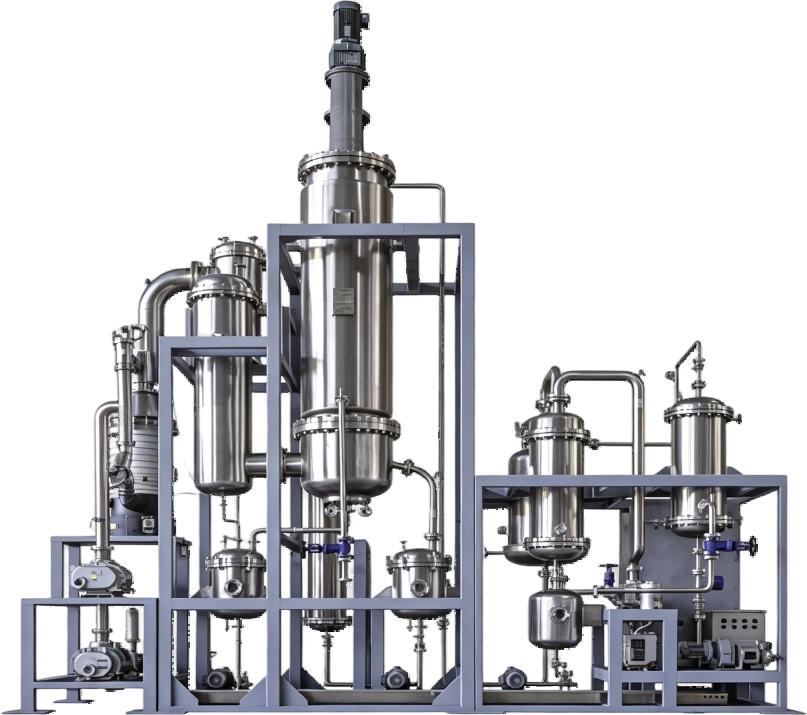

The mother liquor enters the molecular distillation unit from the top of the evaporator and is continuously and uniformly distributed across the vertical heating surface of the cylinder via the feed distributor on the rotor. Under the action of the film scraper, it is forced to form an extremely thin, turbulent liquid film that flows downward in a spiral pattern. Small molecules escape from the heating surface with virtually no collisions, condense into liquid on the built-in condenser, flow down the condenser tubes, and are discharged through the storage tank located at the bottom of the evaporator. Large molecules flow downward along the cylindrical heating surface, collect in the liquid collection tray below the heating zone, and flow out through the side outlet.
Suitable for the separation of liquid mixtures with high boiling points or boiling points that are close but with significant differences in molecular weight.
By exploiting the differences in the average free paths of different molecules, light molecules escape from the heated surface to the built-in condenser, while heavy molecules flow down the cylinder wall, thereby achieving separation.
The material is forced by a scraper to form an extremely thin, turbulent liquid film, which increases the evaporation area and improves heat transfer efficiency.
The distance between the evaporation surface and the condensation surface is extremely short, so the vapor is condensed almost without undergoing any collisions, thereby reducing thermal decomposition.
It can operate under extremely high vacuum conditions (down to the 0.01 mbar range), significantly lowering the boiling point and protecting heat-sensitive materials.
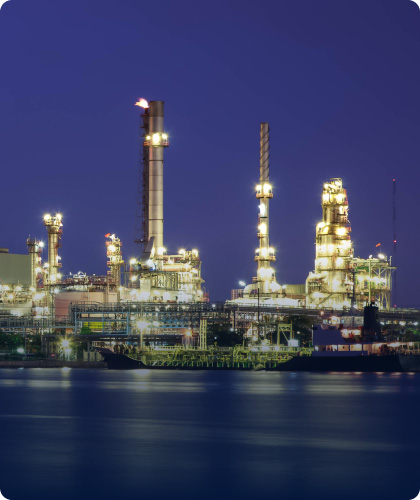
Widely used in processes such as deodorization, purification, and concentration in the petrochemical, fine chemical, pharmaceutical, pesticide, food, oil and fat, and environmental protection industries.
Fine Chemicals Industry
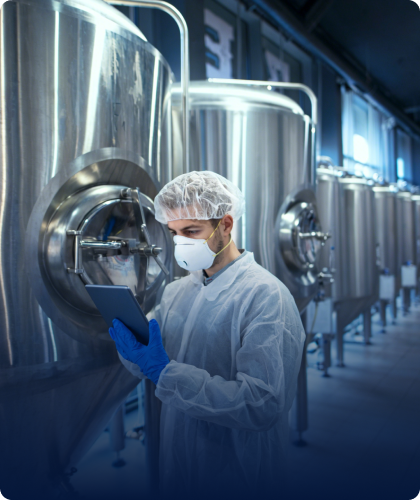
Pharmaceutical Industry
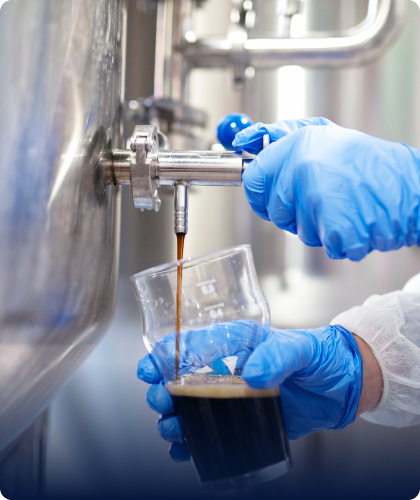
Food Industry

Environmental Protection Industry
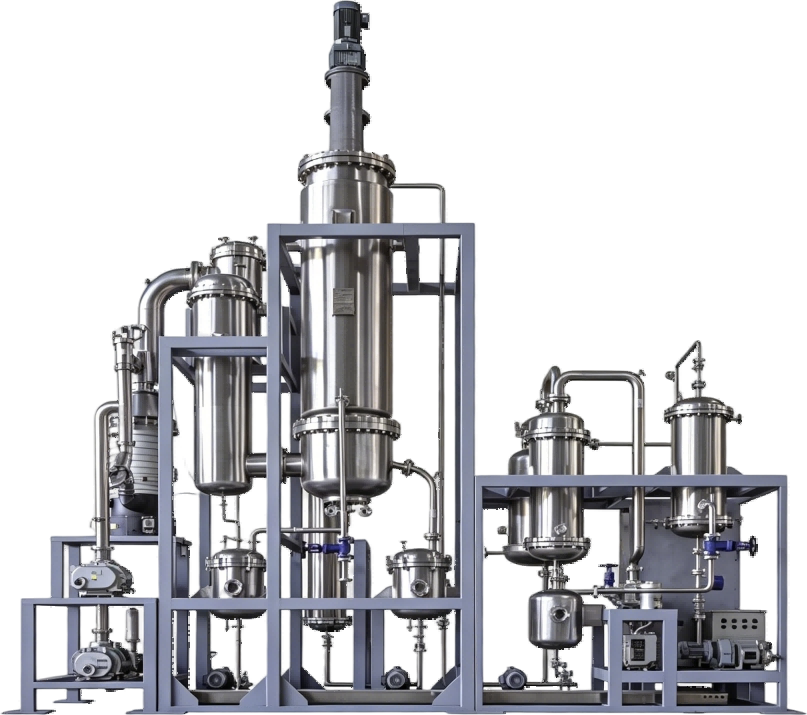

Vertical cylinder with external heating (jacket or half-pipe) and an internal material evaporation zone
Located at the top, it distributes the mother liquor continuously and evenly across the heating surface.
Equipped with scrapers or rollers, it forces the material to form an extremely thin, turbulent liquid film that flows downward in a spiral pattern
Located at the center or inside the evaporator, condensing light-molecule vapor that has escaped

Custom Materials

Surface Finishes

Upgraded Configurations
| Model | Evaporation Area (m²) | Condensation Area (m²) | Inner Cylinder Diameter (mm) | Height (mm) | Weight (kg) |
|---|---|---|---|---|---|
| FZ0.3 | 0.3 | 0.38 | 160 | 1600 | 100 |
| FZ1.5 | 1.5 | 2 | 350 | 3200 | 500 |
| FZ2.0 | 2 | 2 | 350 | 3200 | 500 |
| FZ3.0 | 3 | 5 | 500 | 3800 | 900 |
| FZ4.5 | 4.5 | 7.5 | 500 | 5000 | 1100 |
| FZ6.0 | 6 | 10 | 800 | 5300 | 1500 |
| FZ9.0 | 9 | 16 | 1000 | 6200 | 3000 |
| FZ12.0 | 12 | 24 | 1200 | 6500 | 6000 |
| FZ18.0 | 18 | 36 | 1500 | 7200 | 9000 |
| FZ20.0 | 20 | 44 | 1500 | 8250 | 10800 |
| FZ23.0 | 23 | 50 | 1500 | 8500 | 12000 |
| FZ36.0 | 36 | 80 | 2000 | 9300 | 23000 |
| FZ42.0 | 42 | 105 | 2000 | 10500 | 26500 |
| FZ50.0 | 50 | 120 | 2000 | 11000 | 30000 |
Note: Custom design and manufacturing are available to meet special user requirements, including material, structure, specifications and dimensions.


