The system employs vacuum cryogenic, continuous, and high-vacuum technologies to address the challenges of refining, deodorizing, and concentrating heat-sensitive, high-viscosity, and scale-prone materials. The company can design distillation (refining) process packages based on process parameters provided by customers, supporting both continuous and batch operations, and covering applications ranging from laboratory-scale pilot tests to 10,000-metric-ton industrial-scale units. The system features a fully enclosed, explosion-proof design and complies with GMP, FDA, and pressure vessel standards.

High-Efficiency Separation of Multiple Components

Fully Enclosed Explosion-Proof Design

Modular Configuration

Vacuum Cryogenic Operations

Customized Process Packages
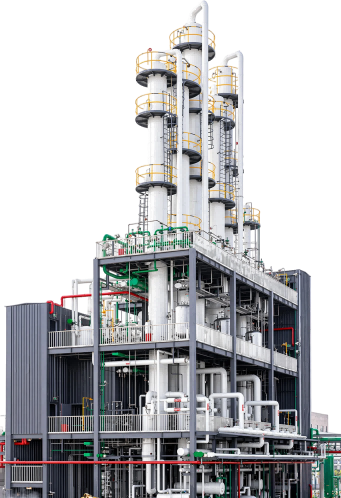

The tower distillation (refining) system employs vacuum low-temperature, continuous, and high-vacuum technologies to address the challenges of refining, deodorizing, and concentrating heat-sensitive, high-viscosity, and scale-prone materials. The company can design distillation (refining) process packages based on process parameters provided by customers, supporting both continuous and batch operations and covering a range from laboratory-scale pilot tests to 10,000-metric-ton industrial-scale units. The system features a fully enclosed, explosion-proof design and complies with GMP, FDA, and pressure vessel standards.
By exploiting the differences in volatility among the components in a mixture, countercurrent contact between the gas and liquid phases causes the more volatile (lower-boiling-point) components to transfer into the vapor phase, while the less volatile (higher-boiling-point) components become concentrated in the descending liquid stream, thereby achieving precise separation.
It can perform simple distillation (single-stage vaporization and condensation) or rectification processes involving multiple gas-liquid equilibria to improve product purity.
Recover organic solvents (such as ethanol, acetone, etc.) from mother liquor or waste liquid to reduce production costs and environmental impact.
Low-temperature vacuum concentration and purification of heat-sensitive, high-boiling-point, highly corrosive, or high-viscosity materials.
Design for continuous feed or batch processing modes based on user requirements.
Design for continuous feed or batch processing modes based on user requirements.
Distillation (refining) systems are widely used in the pharmaceutical industry for the purification of active pharmaceutical ingredients, solvent recovery, and the separation and purification of essential oils from traditional Chinese medicine; in the fine chemicals industry for the recovery of organic solvents (such as ethanol and acetone) and the distillation and separation of specialty chemicals; and in the environmental protection industry for the recovery of organic components from industrial wastewater and the distillation and purification of wastewater following flocculation reactions. They are also suitable for material separation and concentration in sectors such as petrochemicals, metallurgy, light industry, textiles, alkali production, pesticides, electroplating, and batteries.
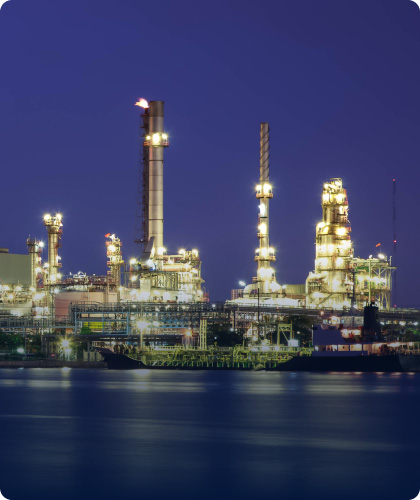
Fine Chemicals Industry
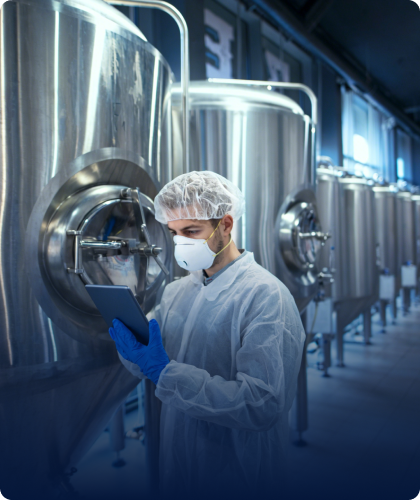
Pharmaceutical Industry
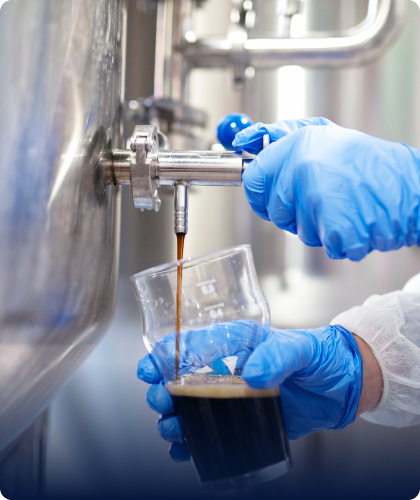
Environmental Protection Industry

Heat the mother liquor from the bottom to generate rising steam
Filled with packing or tray plates to provide a gas-liquid contact interface
Cool the steam at the top of the cooling tower to liquefy it
Separate the liquid from the condensed phase and the uncondensed gas
Collect the condensed distillate
Return a portion of the condensate to the top of the tower to improve separation efficiency


Custom Materials

Surface Finishes

Components and Properties

Cooling Method


