With low recirculation and low catalyst loss, these products are widely suited for continuous catalytic reaction needs in the petrochemical, fine chemical, and environmental protection industries.

Automated Control

Wide Range of Compatibility

Cost Control
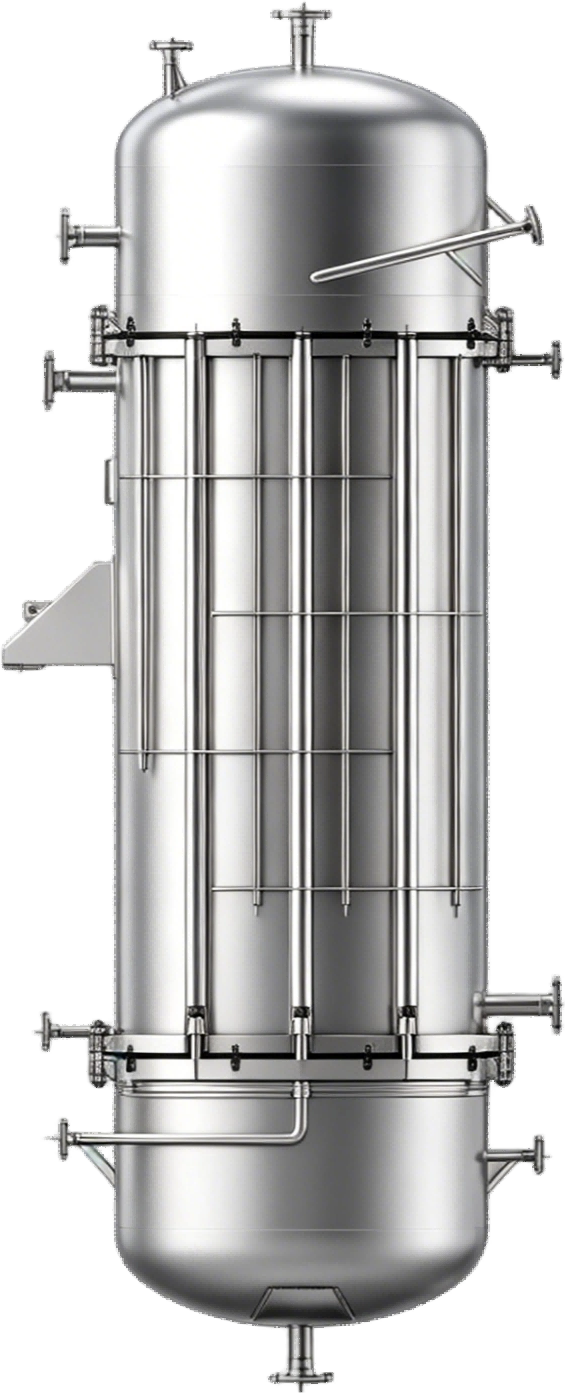

A fixed-bed reactor, also known as a packed-bed reactor, is a highly efficient device that uses granular solid catalysts to form a stationary bed, thereby enabling gas-solid and liquid-solid heterogeneous catalytic reactions.
Solid catalyst particles are fixedly packed inside the reaction tube or shell, forming a stationary bed. As the fluid flows through the gaps in the bed, it comes into contact with the catalyst and a reaction occurs, eliminating the problem of catalyst wear.
The material flows continuously through the catalyst bed, where catalytic conversion takes place on the catalyst surface. This process offers high reaction efficiency and enables long-term, stable, continuous production.
The fluid flows through the bed in a near-laminar state, with minimal recirculation, effectively preventing side reactions in series and significantly improving product selectivity.
Featuring a shell-and-tube or shell-type design, this unit facilitates heat exchange between the heat transfer medium in the jacket or shell side and the reaction material in the tube side, enabling precise control of the reaction temperature and making it suitable for highly exothermic or endothermic reactions.
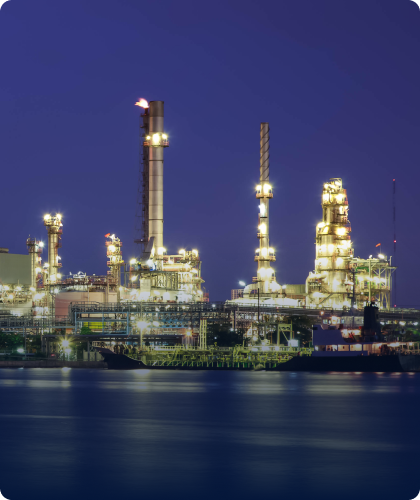
Suitable for gas-solid and liquid-solid catalytic reaction processes in fields such as petroleum refining, chemical synthesis, and environmental protection—including hydrogenation, dehydrogenation, oxidation, reforming, and tail gas purification—and is particularly well-suited for production scenarios that demand high product selectivity and where catalysts are prone to wear.
Chemical Industry

Environmental Protection Industry
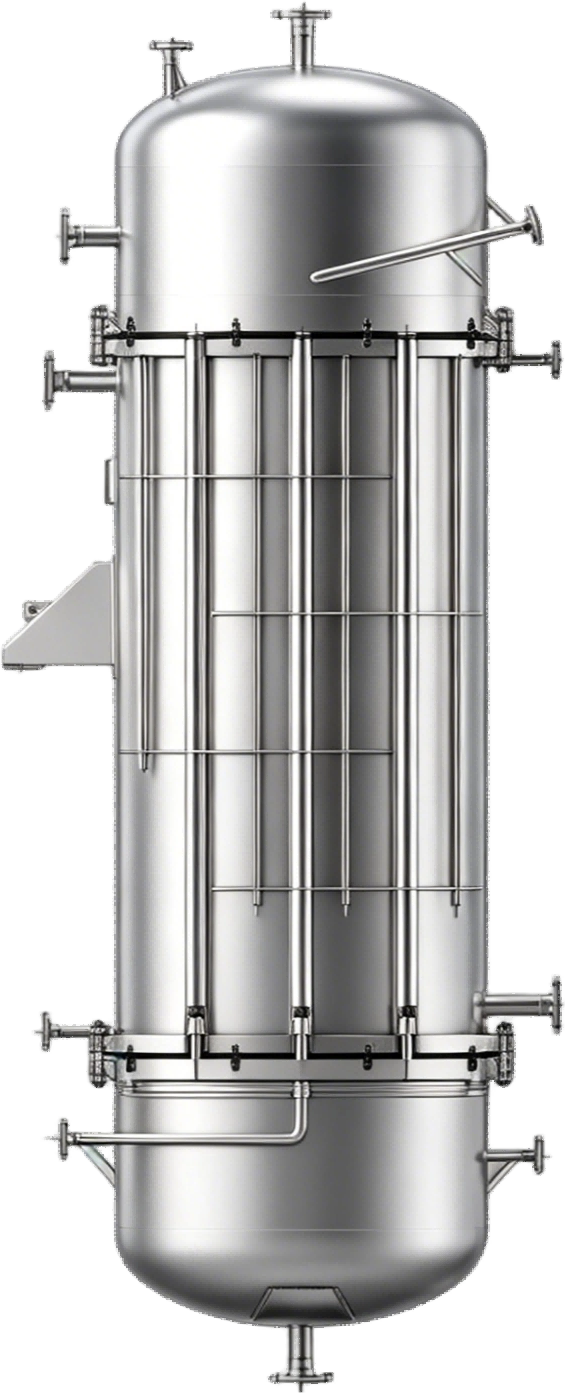

The feed inlet to the reactor can be equipped with a fluid distributor to ensure uniform distribution of the feed into the catalyst bed.
A filtration and collection system at the material outlet is designed to smoothly discharge the mixed material after it has reacted in the catalyst bed, preventing catalyst particles from being carried out and ensuring they are conveyed to the downstream separation process.
The heat transfer medium is fed into the channels of the reactor jacket or tube bundle, where the temperature-controlled medium is introduced to remove or supply the heat required for the reaction, thereby stabilizing the reaction temperature within the bed.
Used to discharge the medium after heat exchange is complete, directing the heat-transfer fluid—which has absorbed or released heat—back into the heat-exchange circulation system to enable continuous temperature-controlled circulation.

Custom Materials

Surface Finishes

Upgraded Configurations


